Exploring the Evolution of German Television: From DAS Erste to Digital Media Trends
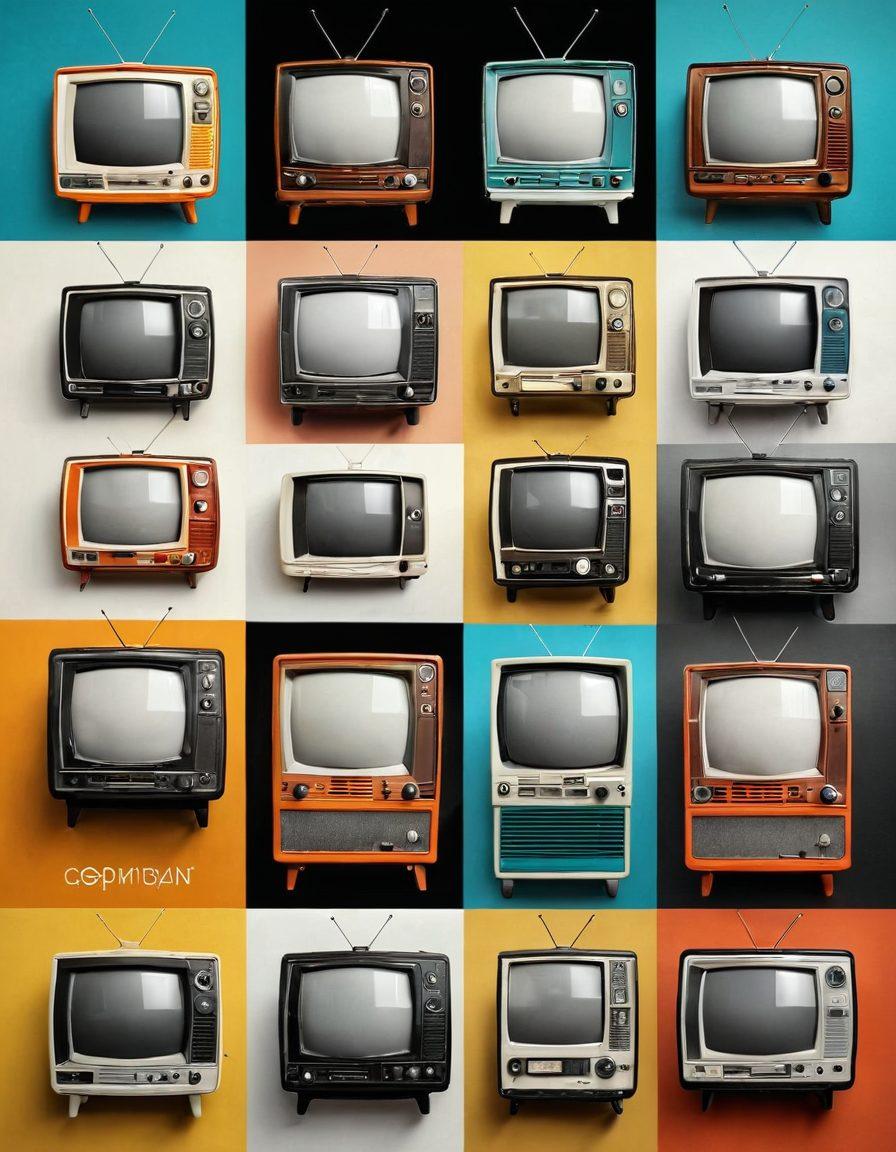
In the vast landscape of television, few platforms stand as tall as DAS Erste, the first channel of ARD, Germany's public broadcasting network. Launched in 1952, it has been a primary influencer in shaping the cultural and social dynamics of German media. Think back to the black-and-white broadcasts of the '50s, where families huddled together, sharing laughter and tears, completely immersed in the stories that unfolded on their screens. It’s fascinating to consider: how did a channel born from a post-war necessity evolve into a powerhouse of entertainment and information that embraced the complexities of modern life?
DAS Erste has played a pivotal role in narrating the story of German television. With its unique blend of cultural programming, current affairs, and entertainment news, it has fostered a sense of community and connection among viewers. Can you recall the first time you were captivated by a feature story, or perhaps a gripping documentary? Those moments didn't just entertain; they informed, educated, and ultimately transformed how we perceive our society and our history. DAS Erste has been a mirror reflecting the zeitgeist of Germany through its carefully curated media content, including enriching news articles and documentaries that tackle intricate societal issues.
One of the channel's remarkable contributions is its commitment to broadcasting news and current affairs, introducing Germans to the complexities of both local and global happenings. From revolutionary political events to cultural phenomena, DAS Erste’s dedication to providing comprehensive news coverage has fostered an informed citizenry. It has become an institution where artistic representations and factual reporting coexist harmoniously. Here’s a thought: how different would our understanding of history be without the lens of DAS Erste covering key events in time?
As the digital age ushered in a new era for media consumption, DAS Erste adeptly adapted its strategies to remain relevant. With increasing engagement in online media, streaming content, and online publishing, the channel embraced digital articles and created a robust online presence. Viewers are no longer passive recipients of television content; they are active participants in the digital landscape, seeking media commentary and sharing their own perspectives. In an era where attention spans are short and options are vast, how can platforms like DAS Erste continue to captivate audiences and maintain their legacy in a rapidly changing environment?
DAS Erste's impact has not only been in programming but also in nurturing a rich ecosystem of media articles and discussions that provoke critical thinking and stimulate conversations around important issues. Its innovative approach to television entertainment inspires emerging content creators in the realm of digital media. As we analyze its legacy and the unique storytelling that laid the groundwork for contemporary broadcasting, we must ask ourselves: how can the next generation of German television learn from the past to carve its own path? The journey of DAS Erste is not just a narrative of a single channel, but a profound reflection of German society and media evolution that continues to thrive.
Navigating the Shift: From Traditional TV Broadcasting to Digital Media Innovations
Imagine cozying up on the couch, grabbing your favorite snack, and switching on DAS Erste, the flagship channel of German television. For decades, it has provided viewers not just with entertainment, but with a connection to cultural identity and current affairs. However, as the landscape of German media evolves, we find ourselves at a unique crossroads. With digital media innovations shifting how we consume content, the question is: how do these changes impact our viewing habits and the essence of television itself?
For years, traditional TV broadcasts from channels like DAS Erste have been a staple in German households, pouring into living rooms with entertainment news, cultural programming, and broadcasting news that catered to all ages. Yet, we can’t ignore the enchanting emergence of online media. With platforms offering streaming content and an avalanche of media articles available at our fingertips, we’re witnessing a fascinating shift. In this digital age, we’re not just passive viewers; we’re becoming active participants in media consumption, engaging with content that speaks directly to us.
Let’s not forget the power of storytelling. From heartwarming dramas to riveting documentaries, German television has always prided itself on strong narrative arcs and feature stories that provoke thought and inspire cultural dialogue. However, as we navigate the digital transition, how does this narrative change? Will we continue to see the same depth in entertainment blog articles, or will the instant gratification of online publishing dilute the richness of these tales? The answer may lie in how popular platforms choose to curate television content from traditional sources, bringing the best of both worlds to audiences.
One intriguing aspect of this transformation is how traditional media outlets are adapting to the wave of digital media. News articles that once thrived on television now have digital counterparts, while current affairs programs have found new life in the realm of online commentary. Instead of waiting for the 8 PM news, viewers can binge-watch their favorite shows when it suits them. This evolution begs the question—are we losing the communal experience of watching TV together as families or friends? Or are we simply redefining it in the age of streaming?
As we move forward, how can audiences stay engaged with German television and its evolution? Embrace the change! Seek out cultural programming that gets you talking, follow news articles that resonate with you, and explore the diversity of TV entertainment available on multiple platforms. Remember, whether it’s traditional or digital, the essence of media lies in its ability to spark conversation, connect cultures, and bring storytelling alive. So, what show will you dive into next as you explore the boundless world of digital media innovations?
The Future of Entertainment: German Media Trends and the Rise of Streaming Content
As we look to the future of entertainment, it’s impossible to ignore the seismic shifts occurring in German media. The comfort of curling up with a bowl of popcorn to watch a hit show on DAS Erste is evolving into something new and exciting. While traditional TV has provided us with cherished moments of cultural programming and riveting TV broadcasts, the rise of streaming content has brought an unprecedented variety and immediacy to our viewing habits. Have you ever wondered how this transformation is reshaping our landscape of entertainment?
The popularity of streaming platforms is booming in Germany, reshaping how audiences consume media content. With the advent of online media, viewers no longer have to conform to rigid broadcasting schedules. They can catch up on the latest entertainment news or enjoy feature stories at their convenience. Picture this: what if your favorite TV show was available at the click of a button, anytime you wanted? That future is not just on the horizon; it’s already here. The rise of online publishing has fundamentally changed our relationship with television content.
In the age of digital media, trends in German television are being set not just by established broadcasters, but also by ambitious newcomers. Streaming giants are entering the marketplace, pushing traditional networks like DAS Erste to step up their game. The competition intensifies as these platforms offer a wealth of choices, nurturing a sense of community among fans who congregate to discuss the latest episodes through social media and blogs. Could this mean that German media is becoming more dynamic and interactive than ever?
Furthermore, let’s not forget the emergence of digital articles that delve into current affairs and cultural topics, enriching the tapestry of entertainment available. Websites filled with media articles and entertainment blogs are now essential to how we consume and engage with TV entertainment. Not only do they provide critique, but they also offer a lens through which we can view the complexities of our world. The dialogue between traditional television content and digital commentary encourages us to think critically about what we watch. Can media commentary alter our perspectives, inspire conversations, or even prompt social change?
As we stand on the brink of new digital horizons, it’s essential to embrace these shifts. Whether it’s indulging in the latest series, exploring podcasts, or reading insightful news articles, the future of entertainment offers us diverse avenues for engagement. The evolution of German television is not merely about the rise of streaming content; it's about how those streams and waves of change impact our lives. What does your ideal future of entertainment look like? Dive into the world of online media and join the conversation, because the best is yet to come!